


Rakić, a toolmaker who elevated craftsmanship to mastery

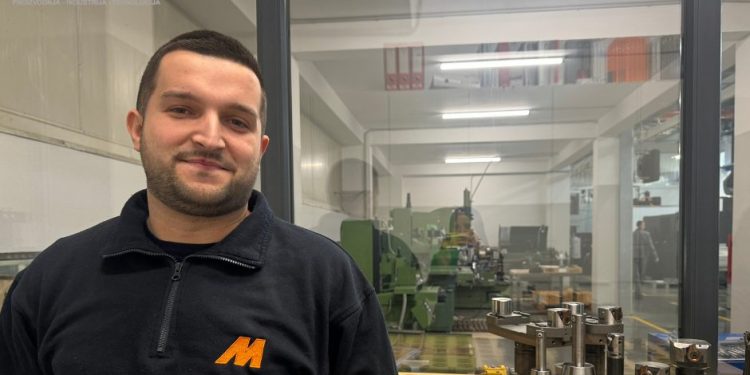
“All of these machines, as well as the small tools we use for this type of production, are very expensive, so the responsibility is great,” says Rakić. “I tap and work with a lot of money.”
Without tools, there is no craft. All true masters have always known this.
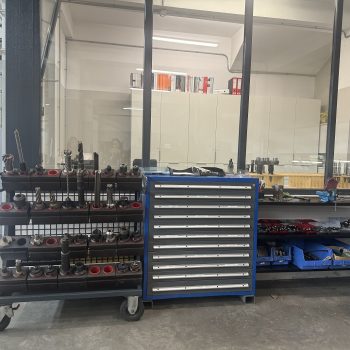
And ensuring that all tools are in their place, arranged by order and number, at Medena Commerce this is carefully and diligently taken care of by Belmin Rakić.
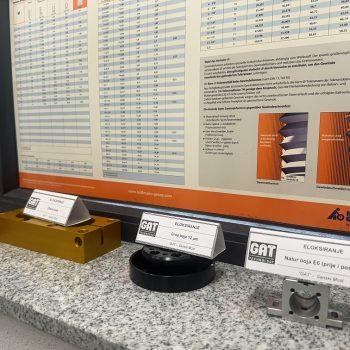
Tool technology, tool care and preparation, issuing tools, ordering new tools… all of that is my job here
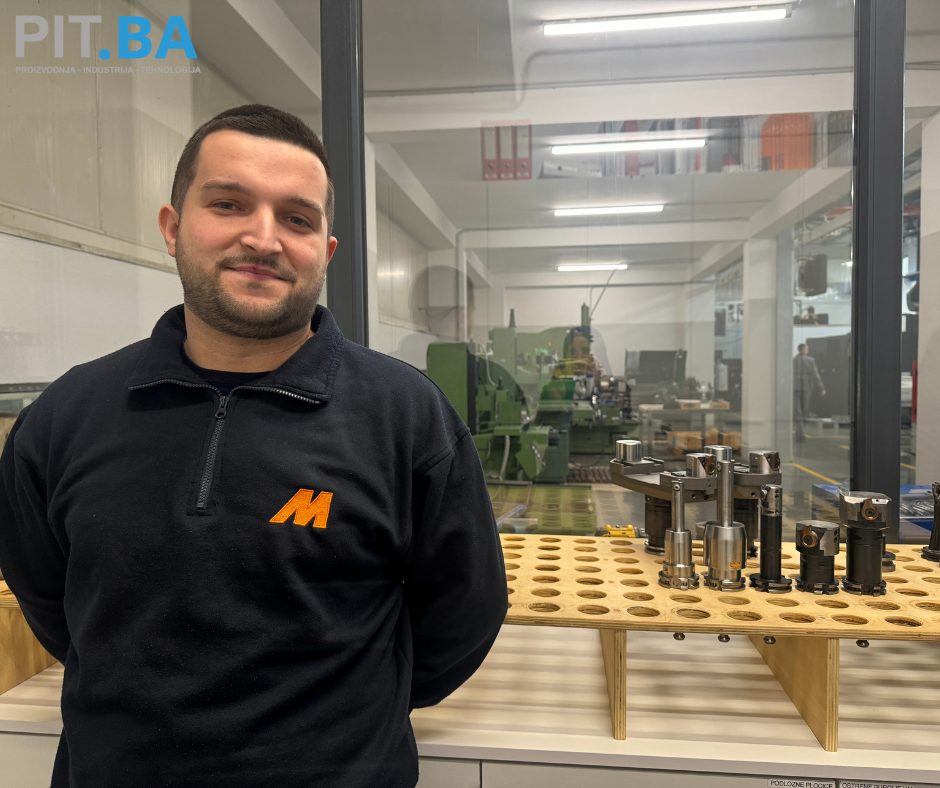
Rakić (1995) is a trained mechatronics technician. He completed secondary technical school in Tešanj.
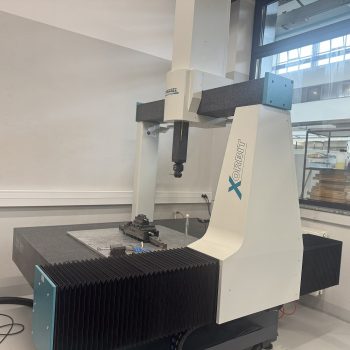
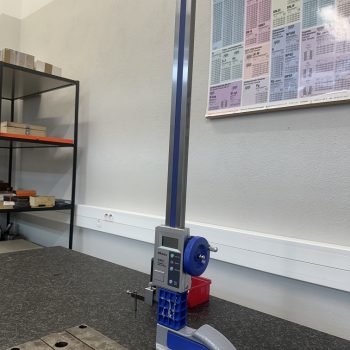
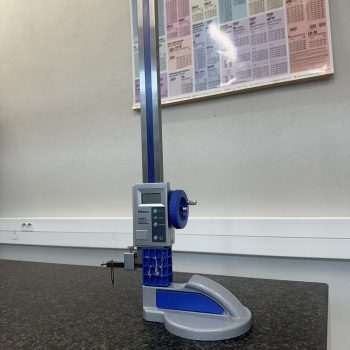
He is a young man who quickly and easily overcame his initial reserve toward our curiosity with knowledge: in no time, he transformed from a reserved host into a true master who speaks about his work with enjoyment. “Tool technology, tool care and preparation, issuing tools, ordering new tools… all of that is my job here,” he says, adding that “I also perform final inspection and measurements on the measuring machine. Finished components come to me for final inspection before packaging and dispatch.”
In short, his job is to ensure that operations run smoothly, that the best tools are ordered, and that fast production is enabled without interruptions.
As is often the case, his career path was meant to begin elsewhere, at the company PREVENT FAD, in 2014/2015. He completed a one-year internship at this company, after which employment had been planned. He expected a call, but the company had other plans and the call never came.
In 2015, at the urging of a friend, he applied for a position at Medena Commerce. “Until I find something better,” he thought at the time, “I came here, filled out the application form, submitted it, and waited.”
At one point, I remember Mr. Fikret asked me, ‘Do you want to work?’ I said that was the reason I came. He liked that, so I joined the second shift the same day.
Soon, within two to three days, he received a call from the company: “I was happy; I had been waiting a long time for employment. I spoke with Mr. Fikret Ireiz and Selma.”
“I liked them, and I noticed they liked me too,” he recalls about his first meeting with the employers, the company owners. “At one point, I remember Mr. Fikret asked me, ‘Do you want to work?’ I said that was the reason I came. He liked that, so I joined the second shift the same day,” he adds.
Since Tešanj is not a large town, many of Belmin’s friends were already working at Medena Commerce. However, during the second shift that day, he did not know anyone.
At that time, the new hall did not yet exist; the new departments were built later. Our interlocutor explains: “The director took me through the old production halls so I could see everything and said they would place me on a new machine, as a CNC operator. I thought he recognized potential in me, and I was glad,” adding: “That’s how I started. I listened, learned, and worked. I made an effort; it was important to me to be independent in my work.”
Belmin Rakić remained in this position for five years, working on almost all machines in production, after which he moved to the tool room.
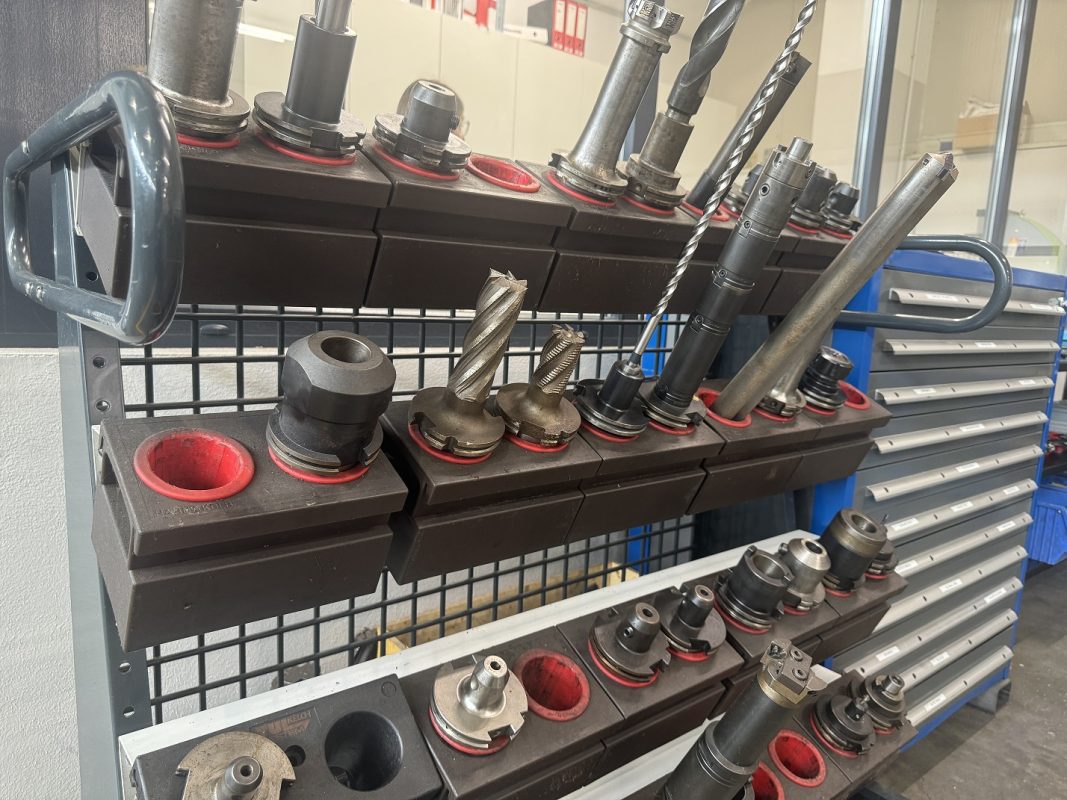
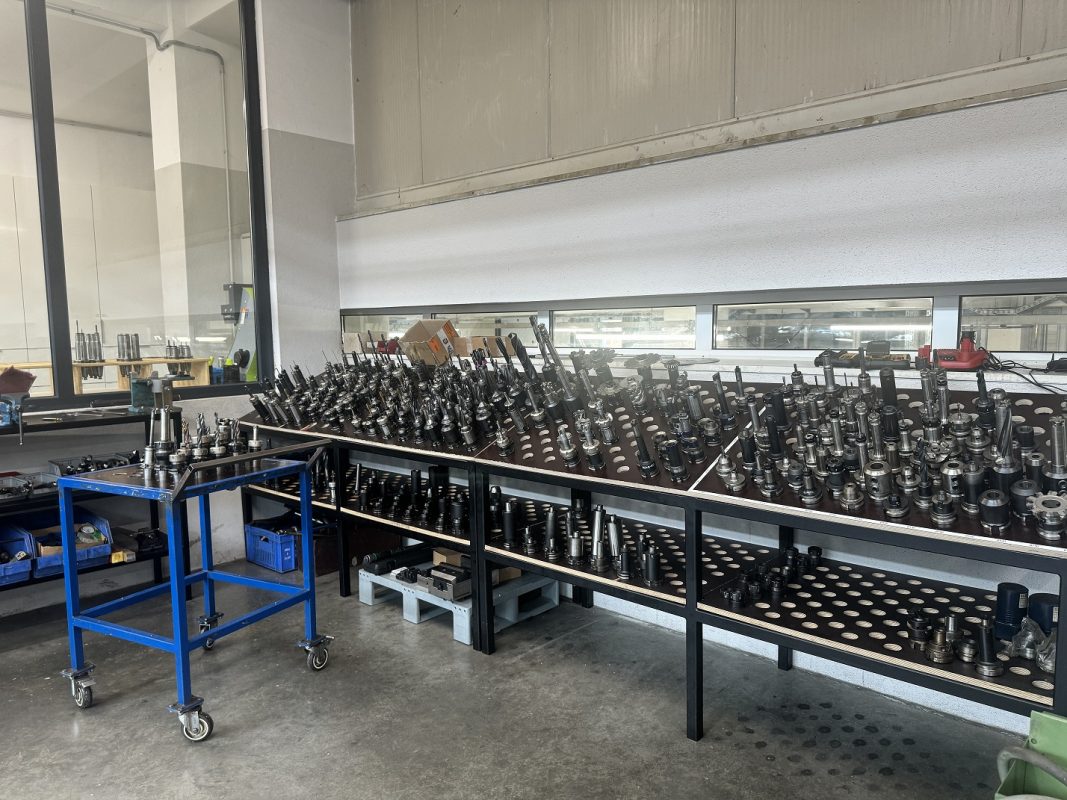
The tool room is tidy, with a pleasant scent of metal and wood. Rakić gives the impression of performing all tasks effortlessly. We joke that many cabinets would be envious of this neatness. “All of these machines, as well as the small tools we use for this type of production, are very expensive, so the responsibility is great,” he says seriously. “I work and tap with a lot of money. When I come for my shift, I inspect the machines to see what was done previously. I check if there are any new requirements or additional requests for special tools. I review what will be done next and organize it so the process does not stop and workers do not have to wait for a tool. Then I go to the measurement room.”
When I start my shift, I inspect the machines to see what was done in the previous shift. I check if there are any new requests or additional requirements for special tools. I review what will be done next and organize everything so that the process does not stop and workers do not have to wait for any tools.
In the production hall, we notice young employees, almost boys. He explains that they are students doing their practical training and adds that vocational high schools in his time were not as advanced as they are today; his own high school knowledge was mostly theoretical. Practical experience in production is irreplaceable. “Young people today have potential; they can learn anything. The problem is if there is no interest,” he says.
Interest truly opens opportunities, as it did in this man’s life. Contrary to perhaps still common assumptions, diligent work in the industry can provide a dignified life. “I have been here for nine years. In the meantime, I started a family, bought an apartment, and had a daughter. I’ve got my life in order. I am truly satisfied,” he adds peacefully.
Curiosity drives me further: there must be something he doesn’t like, something he is dissatisfied with.
“Of course, there are always bad days, things, times when it’s hard to keep up,” he says candidly, but without a tone of complaint. “Like everyone, I might have something negative to say about anyone, some criticism. About Mr. Fikret, for all the time I’ve been here, I truly have no unpleasant words!” he tells us upon leaving.
Afterward, I think how wonderful it is to be able to choose a life attitude of satisfaction and abundance, like Rakić’s.
But also about what kind of person one must be so that an employee has no complaints…
.